

The Role of UX/UI in Online Casino Success
The online casino industry is highly competitive, with numerous platforms vying for users' attention. In such a landscape, User Experience (UX) and User Interface (UI) design play a pivotal role in determining a platform's success. A well-designed UX/UI can enhance user satisfaction, increase engagement, and drive conversions. This blog explores the significance of UX/UI in online casino success, focusing on key elements such as user-centered design, visual aesthetics, interaction design, and the importance of usability testing and feedback.
Understanding UX and UI
Before delving into the specifics, it's crucial to distinguish between UX and UI, as both terms are often used interchangeably but refer to different aspects of design.
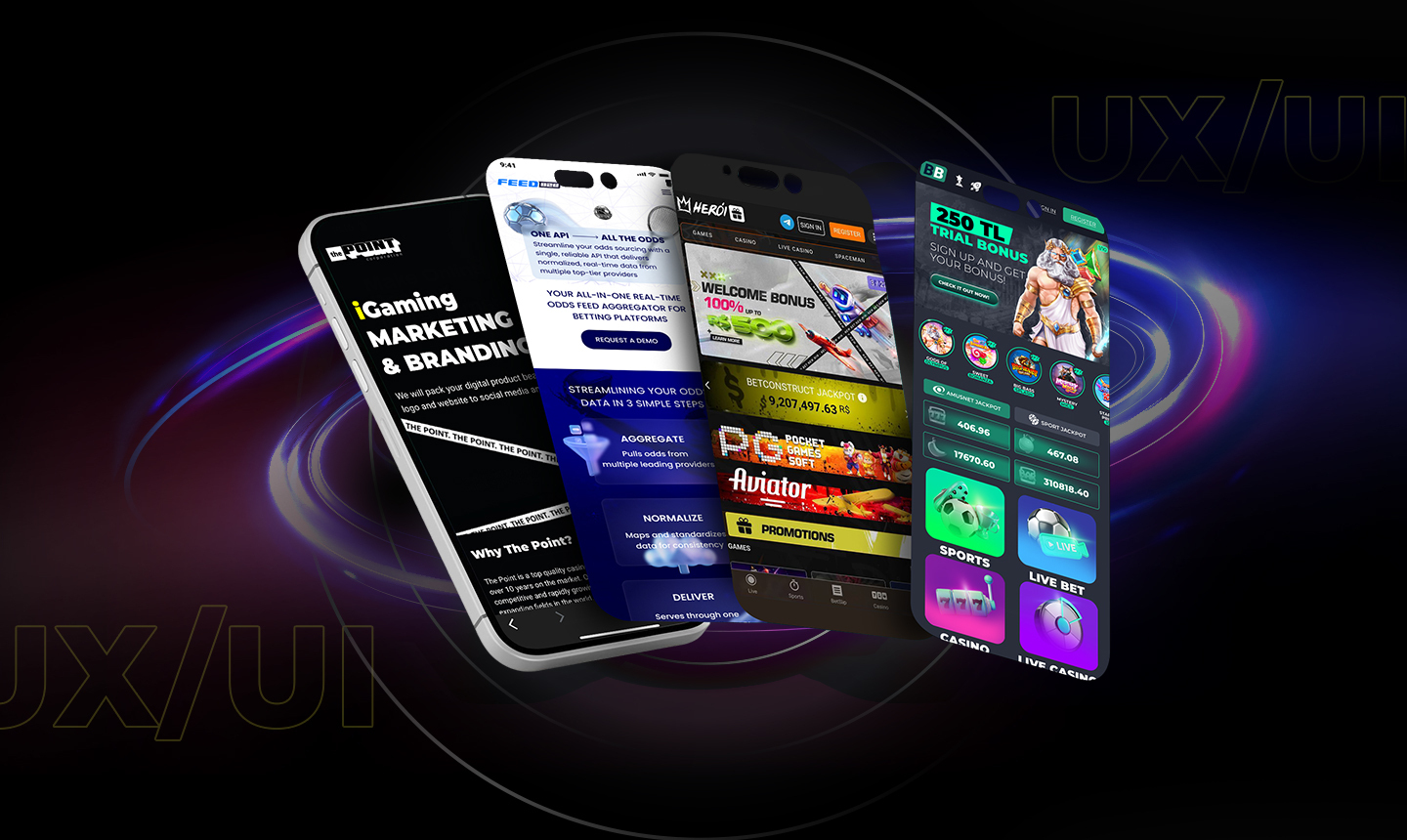
UX (User Experience):
User Experience encompasses all aspects of a user's interaction with a product or service. In the context of online casinos, UX involves the overall feel of the site, including ease of navigation, accessibility, and the quality of the user journey from sign-up to cashing out winnings. The goal of UX design is to create a seamless, efficient, and enjoyable experience for users.
UI (User Interface):
User Interface, on the other hand, refers to the specific graphical layout of an application. This includes buttons, icons, images, sliders, and other interactive elements that users interact with. UI design focuses on the look and feel of the product, ensuring that the interface is visually appealing and intuitively designed.
Both UX and UI are integral to creating a successful online casino platform. While UX focuses on optimizing the user journey, UI ensures that the interface is engaging and easy to use.
User-Centered Design
User-centered design is a fundamental principle in UX/UI, emphasizing the importance of designing with the user's needs, preferences, and behaviors in mind. For online casinos, this approach can significantly enhance user satisfaction and loyalty.
Key Strategies:
User Research: Conduct thorough research to understand the target audience. This includes demographic analysis, behavioral studies, and gathering feedback through surveys and interviews.
Personas: Develop detailed user personas representing different segments of your audience. These personas help in tailoring the design to meet specific user needs and preferences.
User Journey Mapping: Create user journey maps to visualize the steps users take when interacting with your platform. Identify pain points and areas for improvement to ensure a smooth and enjoyable experience.
Accessibility: Ensure that the platform is accessible to all users, including those with disabilities. This includes providing alternative text for images, using accessible color schemes, and ensuring keyboard navigability.
By focusing on user-centered design, online casinos can create platforms that resonate with their audience, leading to higher engagement and retention rates.
Visual Design and Aesthetics
The visual design of an online casino plays a crucial role in attracting and retaining users. Aesthetically pleasing and cohesive design elements can enhance the overall user experience and make the platform more appealing.
Key Elements:
Brand Consistency: Maintain consistent branding across the platform, including color schemes, typography, and visual elements. Consistency helps build trust and recognition among users.
High-Quality Graphics: Use high-quality graphics and images to create an immersive experience. This includes game graphics, promotional banners, and background images.
Intuitive Layout: Design an intuitive layout that guides users naturally through the site. Important elements like navigation menus, game categories, and call-to-action buttons should be prominently displayed and easy to find.
Visual Hierarchy: Establish a clear visual hierarchy to direct users' attention to key areas. Use size, color, and positioning to highlight important information and actions.
An attractive visual design not only enhances the user experience but also sets the platform apart from competitors, creating a lasting impression on users.
Interaction Design
Interaction design focuses on creating engaging and intuitive interactions between users and the platform. For online casinos, effective interaction design can lead to higher user engagement and satisfaction.
Key Principles:
Responsive Design: Ensure that the platform is responsive and adapts seamlessly to different screen sizes and devices. This is especially important for users accessing the casino on mobile devices.
Interactive Elements: Incorporate interactive elements such as buttons, sliders, and animations to make the platform more engaging. Ensure these elements are easy to use and understand.
Feedback Mechanisms: Provide immediate feedback for user actions, such as button clicks, form submissions, and game interactions. This helps users understand the outcome of their actions and enhances their experience.
Gamification: Implement gamification elements, such as achievements, leaderboards, and rewards, to motivate users and increase engagement. These elements can make the platform more enjoyable and encourage repeat visits.
Effective interaction design creates a dynamic and engaging environment, encouraging users to explore and interact with the platform more frequently.
Usability Testing and Feedback
Usability testing and feedback are essential components of a successful UX/UI strategy. Regular testing and feedback help identify issues and areas for improvement, ensuring that the platform continues to meet user needs and expectations.
Best Practices:
Regular Testing: Conduct regular usability testing with real users to identify usability issues and gather feedback. This can include A/B testing, usability studies, and beta testing.
Analytics and Metrics: Use analytics tools to track user behavior and identify patterns. Metrics such as bounce rates, session duration, and conversion rates provide valuable insights into the user experience.
User Feedback: Encourage users to provide feedback through surveys, reviews, and direct communication channels. Use this feedback to make informed design decisions and improvements.
Iterative Design: Adopt an iterative design approach, continuously refining and improving the platform based on user feedback and testing results. This ensures that the platform evolves to meet changing user needs and preferences.
By prioritizing usability testing and feedback, online casinos can create a platform that continuously improves and adapts to user expectations, leading to higher satisfaction and loyalty.
Conclusion
The role of UX/UI in online casino success cannot be overstated. By focusing on user-centered design, visual aesthetics, interaction design, and continuous usability testing and feedback, online casinos can create platforms that offer exceptional user experiences. In a competitive industry, a well-designed UX/UI not only attracts and retains users but also drives higher engagement and conversion rates. Investing in UX/UI design is, therefore, a crucial strategy for any online casino looking to achieve long-term success and growth.